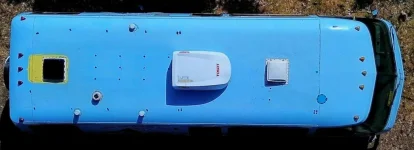
In the roof or the plastic inner cap (you've got multiple threads on this...  )? If the roof, I cut a thin aluminum patch a bit larger than the hole, applied poly sealant around the perimeter and stuck it down. Then drilled holes for rivets. I use aluminum rivets with built-in o-rings to seal the holes. I used the same rivets to seal the holes left when I removed the cargo carrier and the roof-rails. Then top with a bit more poly for good measure.
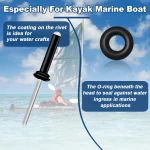
)? If the roof, I cut a thin aluminum patch a bit larger than the hole, applied poly sealant around the perimeter and stuck it down. Then drilled holes for rivets. I use aluminum rivets with built-in o-rings to seal the holes. I used the same rivets to seal the holes left when I removed the cargo carrier and the roof-rails. Then top with a bit more poly for good measure.
Last edited: