Hi everyone,
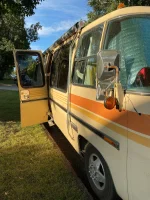
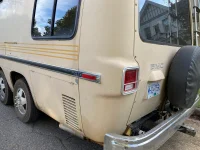
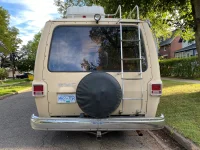
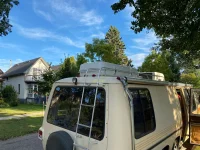
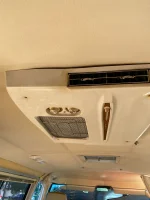
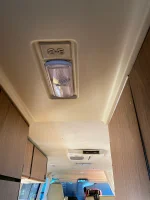
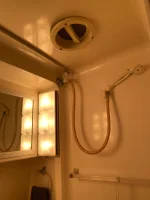
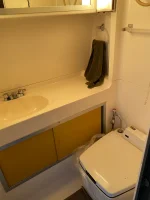
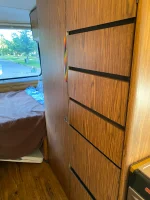
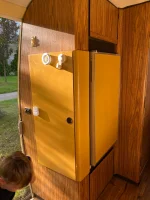
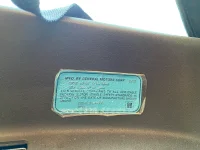
We own what we believe is a 1973 GMC Canyonlands, although we're not 100% certain on the model. From the serial number, it appears to be around the 66th or 67th coach built.
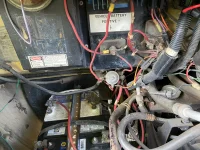
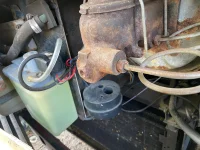
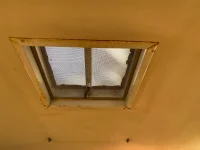
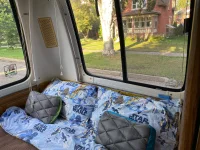
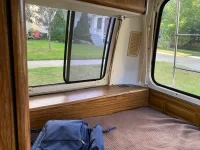
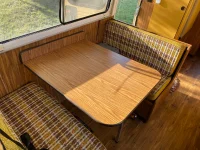
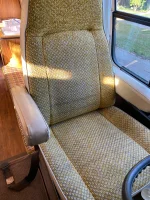
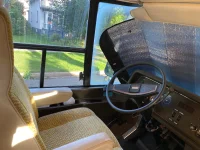
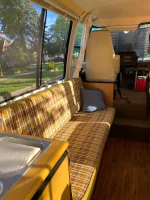
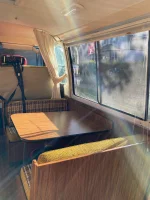
We bought it about five years ago for $5,000 CAD, and I've attached a few photos. We impulse purchased it knowing nothing about them, just loved it. As far as we can tell, it's almost entirely original.
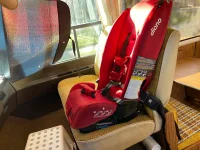
When we bought it, it wasn't roadworthy. Since then we've put money into the mechanical basics—drivetrain, wheels/tires, and other essentials—to make it reliable enough to enjoy around town. These days we mostly use it for short drives, trips to the park or beach, ice cream runs with the kids, and taking friends out for rides. It also doubles as a fun bunkie for the kids at our cottage.
We're genuinely happy using it this way, so we don't feel pressured to start a major restoration. That said, we do think about its long-term future.
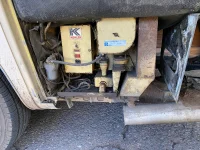
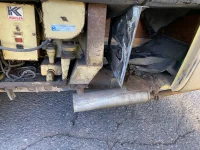
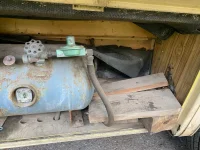
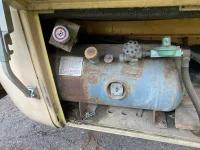
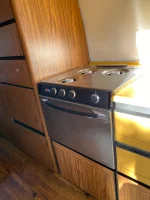
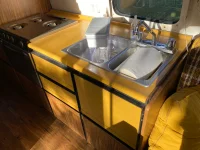
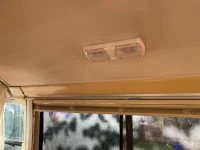
Right now we don't use any of the coach systems. The lights seem to work, but we don't use the plumbing, fridge, stove, furnace, generator, or propane system. We know the copper plumbing leaks (it has been pressure tested), and we're not confident in the safety or condition of the rest of the original systems.
Ultimately, we'd love to use the coach as it was intended—for motorhome travel and camping. Where we live (Lake Superior area in Canada) it would be essential to have heating, air conditioning and off grid functioning as a lot of camping here shore power/plug in spots are not available.
When we first bought it, we decided not to jump into a restoration because we honestly didn't know which direction to take. We're not experienced enough to do this kind of work ourselves - at least the major stuff - and we weren't sure whether to:
We'd really appreciate some advice from those who have been down this road.
If you had a maximum budget of around $100,000 CAD, which direction would you go?
We'd love to hear your experiences, recommendations, or examples from others. If you made it this far- Thanks in advance!
We own what we believe is a 1973 GMC Canyonlands, although we're not 100% certain on the model. From the serial number, it appears to be around the 66th or 67th coach built.
We bought it about five years ago for $5,000 CAD, and I've attached a few photos. We impulse purchased it knowing nothing about them, just loved it. As far as we can tell, it's almost entirely original.
When we bought it, it wasn't roadworthy. Since then we've put money into the mechanical basics—drivetrain, wheels/tires, and other essentials—to make it reliable enough to enjoy around town. These days we mostly use it for short drives, trips to the park or beach, ice cream runs with the kids, and taking friends out for rides. It also doubles as a fun bunkie for the kids at our cottage.
We're genuinely happy using it this way, so we don't feel pressured to start a major restoration. That said, we do think about its long-term future.
Right now we don't use any of the coach systems. The lights seem to work, but we don't use the plumbing, fridge, stove, furnace, generator, or propane system. We know the copper plumbing leaks (it has been pressure tested), and we're not confident in the safety or condition of the rest of the original systems.
Ultimately, we'd love to use the coach as it was intended—for motorhome travel and camping. Where we live (Lake Superior area in Canada) it would be essential to have heating, air conditioning and off grid functioning as a lot of camping here shore power/plug in spots are not available.
When we first bought it, we decided not to jump into a restoration because we honestly didn't know which direction to take. We're not experienced enough to do this kind of work ourselves - at least the major stuff - and we weren't sure whether to:
- restore everything as close to original (OEM) as possible,
- convert it to a modern electric/solar setup,
- or do some combination of the two.
We'd really appreciate some advice from those who have been down this road.
If you had a maximum budget of around $100,000 CAD, which direction would you go?
- Restore both the coach systems and the mechanical systems, converting the coach to a fully electric/solar setup while keeping the classic look. Also, has there ever been an electrified GMC?
- Modernize only the camping systems (battery, inverter, solar, plumbing, etc.) but leave the drivetrain largely as it is.
We'd love to hear your experiences, recommendations, or examples from others. If you made it this far- Thanks in advance!
Attachments
-
 IMG_4856.webp2.2 MB · Views: 15
 -
 IMG_4853.webp1.5 MB · Views: 16
 -
 IMG_4852.webp1.3 MB · Views: 16
 -
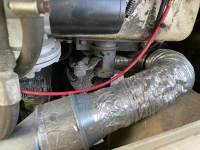 IMG_4850.webp1.4 MB · Views: 15
 -
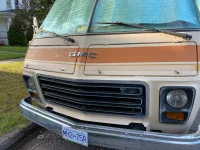 IMG_4849.webp1.9 MB · Views: 13
 -
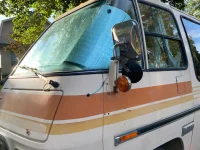 IMG_4847.webp1.8 MB · Views: 13
 -
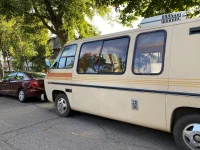 IMG_4845.webp2.4 MB · Views: 13
 -
 IMG_4843.webp2.7 MB · Views: 13
 -
 IMG_4842.webp2.9 MB · Views: 13
 -
 IMG_4841.webp1.3 MB · Views: 13
 -
 IMG_4840.webp2.5 MB · Views: 13
 -
 IMG_4839.webp1.9 MB · Views: 13
 -
 IMG_4836.webp1.8 MB · Views: 13
 -
 IMG_4835.webp1.8 MB · Views: 13
 -
 IMG_4832.webp1.3 MB · Views: 13
 -
 IMG_4831.webp740.8 KB · Views: 13
 -
 IMG_4830.webp899.5 KB · Views: 13
 -
 IMG_4828.webp2.2 MB · Views: 13
 -
 IMG_4825.webp1.5 MB · Views: 13
 -
 IMG_4824.webp433.5 KB · Views: 13
 -
 IMG_4822.webp537.8 KB · Views: 13
 -
 IMG_4818.webp1.3 MB · Views: 12
 -
 IMG_4812.webp1.2 MB · Views: 12
 -
 IMG_4816.webp1 MB · Views: 12
 -
 IMG_4814.webp1,001.4 KB · Views: 13
 -
 IMG_4810.webp1.9 MB · Views: 13
 -
 IMG_4807.webp2.4 MB · Views: 13
 -
 IMG_4806.webp2.6 MB · Views: 13
 -
 IMG_4802.webp1.8 MB · Views: 14
 -
 IMG_4803.webp1.5 MB · Views: 14
 -
 IMG_4797.webp1.8 MB · Views: 14
 -
 IMG_4798.webp1.4 MB · Views: 13
 -
 IMG_4800.webp1.3 MB · Views: 16